


 Menu
 Back


Tree Trimming and Pruning
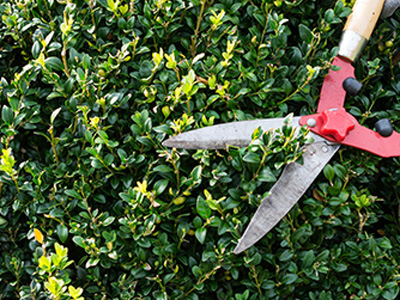 Healthy, well-maintained trees improve a property's appearance, provide shade, and contribute to a safer outdoor environment. However, overgrown branches, deadwood, and poorly structured limbs can create problems for nearby buildings, walkways, and surrounding landscaping. Professional tree trimming and pruning help manage these concerns while preserving the tree's natural shape and long-term health.
Mahoney and Mahoney Landscaping, Inc. provides professional tree trimming and pruning services throughout Southeastern Pennsylvania. Our crew evaluates each tree's condition, growth patterns, and location before determining which branches need attention. Whether the goal is removing hazardous limbs, improving clearance around structures, or managing dense growth, we use selective pruning techniques to address immediate concerns while supporting healthy development.
Our Tree Trimming and Pruning Process
Every tree requires a different approach depending on its species, age, size, condition, and surroundings. Our crew follows a practical process to identify problem areas, make appropriate cuts, and leave the property clean after the work is completed.Tree Assessment and Pruning Plan
Before cutting begins, our crew inspects the tree's overall condition, branch structure, canopy density, and proximity to surrounding features. We look for signs of decay, structural weaknesses, and growth patterns that could cause problems as the tree matures.The assessment determines which limbs require attention, where cuts should be made, and how much foliage can safely be removed. On mature trees, we remove only the branches necessary to achieve the pruning objectives, avoiding excessive cutting that could weaken the tree. The appropriate amount depends on the tree's species, age, condition, and pruning objectives.
We avoid tree topping and excessive cutting, which can weaken branch structure and encourage poorly attached regrowth.
Selective Branch Removal and Canopy Management
Our crew uses several pruning methods to address specific concerns without unnecessarily altering the tree's appearance.- Crown Thinning - Selectively removing branches within a dense canopy to improve light penetration and air circulation. Thinning reduces branch crowding while preserving the tree's natural form.
- Crown Raising - Removing selected lower branches to provide additional clearance above walkways, driveways, lawns, and other areas where people or vehicles need access.
- Deadwood Removal - Cutting away dead, broken, or dying branches that could fall during storms or high winds. This is particularly important for trees near homes, patios, and frequently used outdoor spaces.
Depending on branch size and location, our crew uses appropriate pruning equipment and controlled cutting methods to remove limbs without damaging the remaining tree or nearby landscaping. Cuts are made at suitable branch junctions to support proper wound closure and preserve the tree's structure.
Tree Shaping and Clearance Around Structures
Trees growing close to homes and other structures may require selective pruning to prevent branches from rubbing against roofing materials, siding, gutters, or windows.Our crew evaluates branch placement and growth direction to establish practical clearance around buildings while retaining a balanced canopy. Clearance requirements vary depending on the tree species, branch size, and proximity to the structure. Rather than cutting every nearby branch, we focus on limbs that are already interfering with buildings or are likely to cause problems as they grow.
Branches near overhead electrical wires require special consideration. If branches are touching or approaching electrical lines, homeowners should contact their utility provider rather than attempt trimming. Electrical line clearance requires specially qualified personnel and should not be treated as routine pruning work.
Cleanup and Post-Pruning Recommendations
Once trimming and pruning are complete, our crew gathers cut branches and smaller debris, clears the work area, and leaves the surrounding landscape tidy.We can also identify areas that may need attention during a future visit and recommend an appropriate maintenance schedule based on the tree's growth rate, condition, and location.
When Is the Best Time to Trim and Prune Trees?
In Southeastern Pennsylvania, late winter through early spring is often an ideal period for structural pruning of many deciduous trees. During dormancy, branch structure is easier to evaluate, and pruning can be completed before the main growing season begins.However, timing depends on the species and reason for pruning.
- Late Winter to Early Spring - Suitable for many deciduous trees that benefit from dormant-season pruning.
- Spring to Early Summer - Often appropriate for pruning spring-flowering trees after their blooms have finished.
- Summer - Useful for limited corrective pruning, managing unwanted growth, and addressing branches interfering with structures.
- Fall - Major pruning is generally minimized for many species, although hazardous or damaged limbs may still require attention.
Dead, broken, or dangerous branches should be assessed promptly rather than waiting for a particular season.
Pennsylvania's seasonal storms, winter snow, and occasional ice accumulation can place additional stress on weakened limbs. Scheduling pruning at the appropriate time helps trees maintain a sound structure through changing weather conditions.
How Often Should Trees Be Trimmed and Pruned?
Most established trees do not need annual pruning. However, periodic inspections help determine whether corrective work is necessary. Younger trees may benefit from more frequent structural pruning, while healthy mature trees often require less intervention.As a general guideline, mature trees may benefit from a professional assessment every 3–5 years, while younger or faster-growing trees may require attention every 1–3 years to develop and maintain a sound branch structure.
Trees growing close to roofs, driveways, or frequently used outdoor areas may need more frequent inspections. Homeowners should also check for broken branches, hanging limbs, or visible changes after significant storms.
Regular evaluations allow smaller problems to be addressed before extensive corrective pruning becomes necessary.
When Is Tree Removal a Better Option?
Pruning can improve the structure and condition of many trees, but it cannot resolve every safety concern. In some situations, removing the tree may be more appropriate than repeatedly cutting back damaged or unstable branches.Tree removal may need to be considered when a tree has extensive trunk decay, severe structural damage, significant root instability, or widespread decline. A tree that has become dangerously unstable or cannot be maintained safely around nearby structures may also require removal.
Our crew can assess visible concerns and discuss whether pruning is a reasonable option or whether further evaluation is necessary. For trees that cannot be safely preserved, learn more about our Tree Removal services.
Professional Tree Trimming and Pruning in Southeastern Pennsylvania
Mahoney and Mahoney Landscaping, Inc. provides tree trimming and pruning services throughout communities in Delaware, Chester, and Montgomery Counties. Whether you need routine maintenance, clearance around your home, or damaged branches removed, our crew can recommend a practical approach based on your property's needs.For more information or to schedule an estimate, call 610-344-7399 or 610-328-4092. You can also reach us through our Online Contact Form.