


 Menu
Menu Back
Back

Late Winter Landscape Prep in Pennsylvania: What to Fix Before Spring
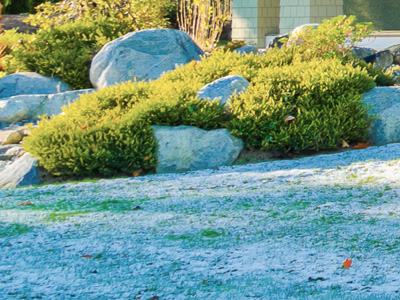 Late winter in Pennsylvania is a transitional period that often gets overlooked by homeowners-but it's one of the most important times to prepare your landscape for a healthy, successful spring. As snow recedes and temperatures begin to fluctuate, your property reveals the effects of winter stress, freeze–thaw cycles, and months of dormancy. Addressing key issues now can prevent costly repairs later and set the stage for stronger growth, cleaner lawns, and more vibrant outdoor spaces.
Here's what Pennsylvania homeowners should focus on fixing and preparing before spring arrives.
Assess Winter Damage Early
Winter weather in Pennsylvania is tough on landscapes. Snow loads, ice, road salt, and repeated freezing and thawing can compact soil, damage turf, and stress trees and shrubs. Late winter is the ideal time to walk your property and look for problem areas before plants begin actively growing.Check lawns for bare patches, matted grass, or signs of snow mold. Inspect hardscaped edges, garden borders, and drainage areas for shifting or erosion caused by melting snow. Identifying these issues early allows for timely repairs and prevents small problems from becoming larger ones once spring rains arrive.
Address Drainage and Grading Problems
Drainage issues are often most visible in late winter. As snow melts, low spots and poor grading can cause standing water, muddy lawns, and oversaturated planting beds. Left uncorrected, these issues can lead to root rot, lawn dieback, and soil erosion during spring storms.Late winter is an excellent time to plan drainage corrections such as regrading, adding swales, or installing drainage solutions before soil becomes too wet to work. Improving water flow now helps protect your landscape investments and ensures healthier turf and plant growth throughout the growing season.
Prune Trees and Shrubs Before New Growth
Dormant pruning is one of the most valuable late-winter landscape tasks in Pennsylvania. With leaves absent, it's easier to see the structure of trees and shrubs and remove dead, damaged, or crossing branches. Proper pruning improves plant health, encourages balanced growth, and reduces the risk of storm damage later in the year.Late winter pruning is especially beneficial for most deciduous trees and shrubs. However, spring-flowering plants should be pruned carefully to avoid removing buds. Working with experienced professionals ensures each plant is pruned at the right time and in the right way.
Clean Up Beds and Remove Winter Debris
Winter leaves behind a surprising amount of debris-fallen branches, compacted leaves, and leftover plant material from the previous season. Cleaning garden beds in late winter helps prevent pests and diseases from overwintering and improves air circulation around emerging plants.This is also a good time to edge beds, redefine borders, and refresh mulch once temperatures stabilize. Fresh mulch applied at the right depth helps regulate soil temperature, retain moisture, and suppress weeds as spring arrives.
Prepare Lawns for Spring Recovery
Lawns in Pennsylvania often struggle after winter due to compaction, snow cover, and temperature swings. Late winter is the right time to plan lawn recovery steps such as core aeration, overseeding, and soil amendments.Addressing soil compaction improves root development and nutrient uptake. Bare or thin areas can be targeted for early spring seeding, while soil testing can identify nutrient deficiencies before fertilization begins. Taking a proactive approach now leads to thicker, healthier lawns when growing conditions improve.
Inspect Hardscapes and Outdoor Features
Hardscape elements like walkways, patios, retaining walls, and steps can shift or crack during freeze–thaw cycles. Late winter inspections help catch safety issues early, such as uneven pavers or loose stones, before increased spring use.Making minor repairs now can extend the life of your hardscaping and avoid more extensive restoration later. It also ensures your outdoor spaces are ready for entertaining and everyday use as warmer weather returns.
Plan Spring Projects Ahead of Time
Late winter is also the perfect time to plan larger landscape upgrades. Whether you're considering new planting beds, landscape renovations, drainage improvements, or hardscape additions, early planning ensures better scheduling and smoother execution once spring arrives.By addressing repairs and preparations now, homeowners avoid the seasonal rush and give their landscapes a strong head start.
Get Your Landscape Ready for the Season Ahead
Late winter landscape prep is about more than cleanup-it's about setting the foundation for long-term health, beauty, and performance. By fixing issues before spring growth begins, Pennsylvania homeowners can protect their investment and enjoy a more resilient, attractive outdoor space throughout the year.Professional guidance during this critical window ensures every detail is handled correctly, allowing your landscape to transition seamlessly from winter recovery to spring growth. Contact us today on 610-344-7399 or send us your service requests and inquiries through this Online Form.