


 Menu
Menu Back
Back

Why Hardscapes Fail in Pennsylvania (and How to Prevent Costly Repairs)
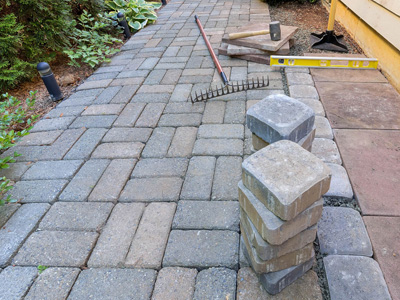 Hardscapes are long-term investments meant to add beauty, functionality, and value to your property. But in Pennsylvania, even the best-built patios, walkways, and retaining walls face constant environmental stress. Heavy rain, dense clay soils, and dramatic freeze-thaw cycles make our region especially tough on hardscape materials. When these elements combine with poor installation practices, failure becomes almost inevitable. At Mahoney and Mahoney Landscaping, Inc., we've spent decades repairing and rebuilding hardscapes throughout Pennsylvania-and we've seen the same patterns again and again.
Understanding why hardscapes fail is the first step toward preventing costly repairs. Here are the most common causes and what you can do to keep your outdoor spaces looking great for decades.
Why Pavers Shift or Settle Unevenly
One of the most common complaints among homeowners is shifting or sinking pavers. While this issue can happen anywhere, Pennsylvania's soil conditions make it far more likely.1. Poor Base Preparation
Many failing paver patios or walkways were built on a base that was too thin-or worse, installed directly on soil. Because Pennsylvania has dense, moisture-retaining clay soils, the ground expands and contracts seasonally. Without a deep, properly compacted foundation of crushed stone, pavers lose stability.
2. Improper Drainage
When rainwater collects beneath a patio, the base weakens and begins to wash away. Our region sees heavy rainfall and long wet seasons, which accelerate erosion under paver systems. Over time, the pavers shift, settle, or create uneven depressions.
3. Freeze-Thaw Movement
During winter, water trapped under the patio freezes and expands, pushing the pavers upward. Once it melts, the ground sinks again. This cycle repeats dozens of times each season, leading to ongoing movement unless the patio was engineered to handle it.
Proper excavation, installation of geotextile fabric, and a thick, well-compacted base are non-negotiable for long-term durability in Pennsylvania.
Why Patios Crack (Concrete, Pavers, and Stone)
Cracked patios are a common sight across the state-and Pennsylvania's climate is the number one culprit.1. Rigid Materials vs. Expanding Soil
Concrete patios are especially vulnerable because they lack flexibility. When clay soil swells with moisture, it applies upward pressure that rigid slabs simply cannot absorb.
2. Freeze-Thaw Stress
Repeated freezing and thawing places stress on stone and mortar joints. Even minor water penetration can cause surface flaking, cracking, and separation.
3. Poor Grading and Water Accumulation
If water is allowed to pool around the patio or flow toward the home, the underlying base becomes unstable. Over time, this leads to cracking and structural deterioration.
Paver patios tend to outperform concrete in Pennsylvania because their flexible joint system handles movement better-if installed correctly.
Why Retaining Walls Fail
Retaining walls are engineered structures, and when they fail, it's rarely cosmetic-it's structural.1. Lack of Proper Drainage Behind the Wall
The number one cause of wall failure is hydrostatic pressure. Pennsylvania's heavy rainfall saturates clay soils quickly. If a wall does not have drainage stone, a perforated pipe, and proper outlets, water buildup will push the wall outward until it cracks or collapses.
2. Insufficient Footing Depth
Retaining walls must be buried properly to counteract soil movement. Walls built on shallow bases or directly on soil slide forward over time, especially on sloped properties.
3. Incorrect Backfill Material
Using excavated soil instead of clean, angular stone traps water behind the wall. This dramatically increases pressure and accelerates failure.
A professionally built retaining wall should last decades. Unfortunately, we frequently rebuild walls that are less than five years old because the installer cut corners.
Other Hardscape Problems Caused by Pennsylvania Conditions
Pennsylvania's environment creates unique challenges for all outdoor structures:Repair vs. Replace: What's the Right Choice?
Not every failing hardscape needs to be torn out. In many cases, Mahoney and Mahoney Landscaping, Inc. can rebuild the base, reinstall the pavers, reinforce drainage, or reset the structure to save the existing materials. This is often a cost-effective option when the original pavers or stones are still in good condition.However, replacement is sometimes the smarter investment-especially when:
Protect Your Hardscape Investment
Hardscape failure is common in Pennsylvania-but it's avoidable with proper installation, drainage planning, and materials designed to handle our climate. At Mahoney and Mahoney Landscaping, Inc., we build patios, walkways, and retaining walls that are engineered for durability, beauty, and long-term performance.If you're noticing settling, cracking, leaning, or drainage issues, we're here to help. Contact us today on 610-344-7399 (West Chester) / 610-328-4092 (Springfield) or via our Contact Us form for a professional inspection and expert repair or replacement options.